Battery & Portable Neon Signs: RV, Vanlife and Off-Grid Power

“I’m converting a 1997 Ford Econoline into a camper van. I want a small neon sign for the vibe when I’m parked at campsites. But I’m worried about: (1) vibration on the road breaking it, (2) power consumption draining my battery, and (3) heat from the sign in a small space. Is this a terrible idea?” That question on r/vandwellers and r/RVLiving generated 60+ responses, ranging from “I did it and it’s amazing” to “mine fell off the wall in the first pothole.” It also isn’t only van dwellers asking. Renters who can’t drill holes or run cable, food-truck owners parked at festivals with no shore power, and weekend campers setting up a screen-lit patio all hit the same wall: they want the glow, but there is no outlet where they want the sign. Battery and portable neon signs exist for exactly this. This guide pulls together what the RV, vanlife and off-grid communities have actually learned about running neon...

My Car Wash Neon Sign Died After 3 Months

“I put a neon sign in my car wash waiting area. Three months later it’s flickering and one section is dead. Is neon just not meant for this environment, or did I buy the wrong thing?” Related products: LED Neon “Welcome” Sign for Storefront Window Glass, LED Neon Cupcake Sign – Wall, Welcome Neon Sign – For Home Business Entryway & Front Door. This post on r/carwash got 40+ replies, and the answer was clear: you bought the wrong thing. But the problem goes deeper — many retail stores and car washes choose commercial signs without considering the specific environmental stresses their location creates. The Car Wash Environment: Why Most Signs Fail Car washes present four specific challenges that kill standard neon signs: Environmental Factor Impact on Standard Signs What You Need High humidity / steam Moisture seeps into LED connections, causing shorts IP65 fully sealed silicone coating Chemical vapors (detergents, wax) Corrodes exposed metal contacts over time Sealed connections...

Do LED Neon Signs Work in Direct Sunlight?

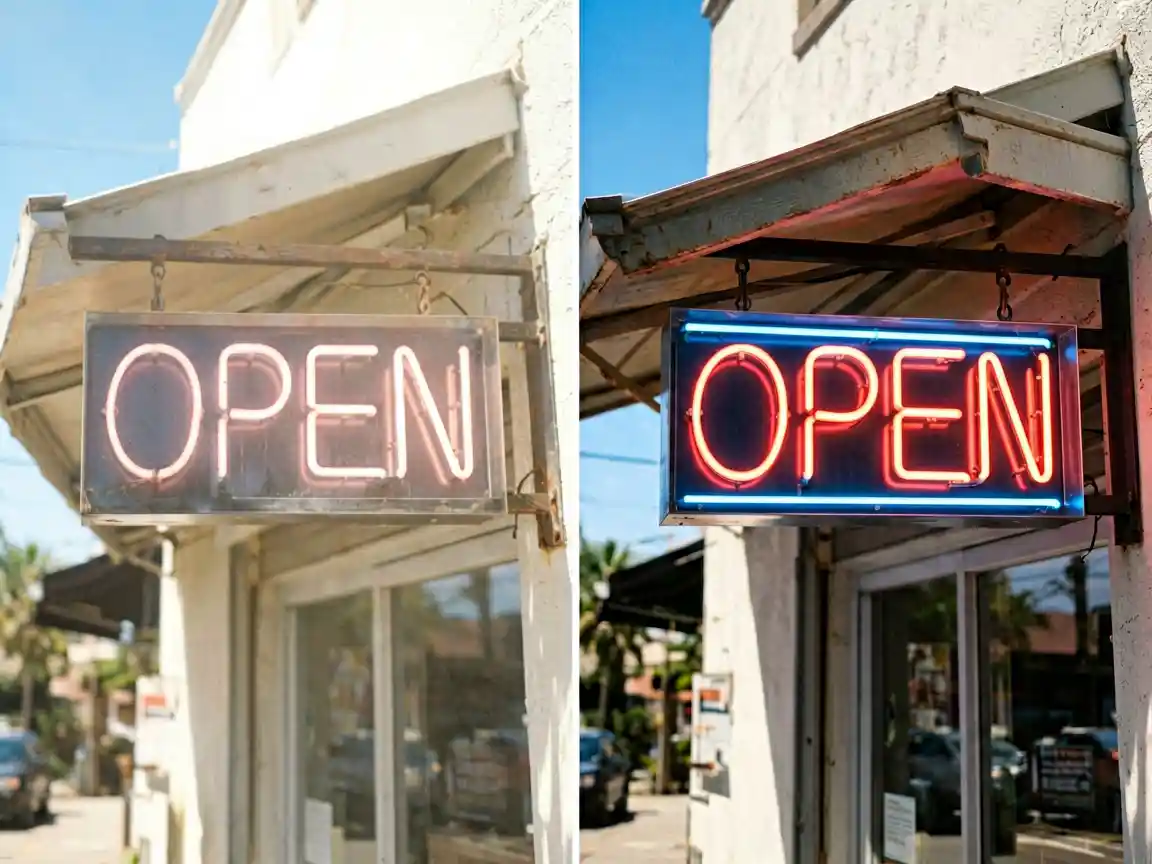
One of the most frequently asked questions from business owners: “Will my LED neon sign be visible during the day?” The honest answer: It depends on brightness, color, and placement. Standard LED neon signs (typically 6V-12V) are designed for indoor use and shaded outdoor areas. They may appear washed out in direct sunlight, especially with lighter colors like pink, yellow, or white. The Brightness Spectrum: Indoor vs Outdoor Type Voltage Brightness (lux @ 1m) Daylight Visible? Best Use Standard indoor LED neon 6V – 12V 200-400 lux ❌ No (washes out) Bedroom, living room, office High-brightness LED neon 12V – 24V 600-1,200 lux ⚠️ Partial (visible in shade) Covered patios, window displays Outdoor-rated LED neon 24V (waterproof) 1,000-2,000+ lux âś… Yes (direct sun) Storefronts, outdoor walls Color Matters More Than You Think Different LED colors perform very differently in sunlight: Warm white / Yellow: Poorest daytime visibility — blend right into sunlight. Pink / Rose gold: Moderate — visible up...

Custom Neon Sign Size Guide: How to Choose the Right Dimensions

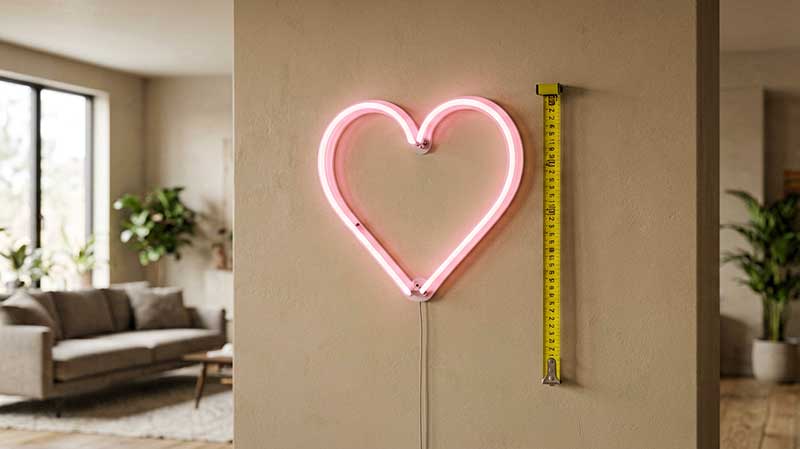
One of the most common questions we get from first-time buyers is simple: what size should my neon sign be? It matters, because a sign that is too small gets lost on a large wall, while one that is too large overwhelms the room and can even feel tacky. The root of the problem is that a phone screen or laptop display is a terrible way to judge physical size — a design that looks perfectly proportioned on your 6-inch phone screen may look tiny once it is on a wall. Related products: Will You Marry Me Neon Sign Romantic Proposal Wedding, Happy Birthday Neon Sign – Party Backdrop, Custom Gift, Merry Christmas Neon Sign – Festive Holiday Wall. This guide fixes that. We will cover the golden rule of neon sign sizing, a quick neon sign size chart, how big your letters need to be for a given viewing distance, what size neon sign works for a wedding, and...

Restaurant Neon Sign Installation Guide: Tools, Methods & Safety Tips

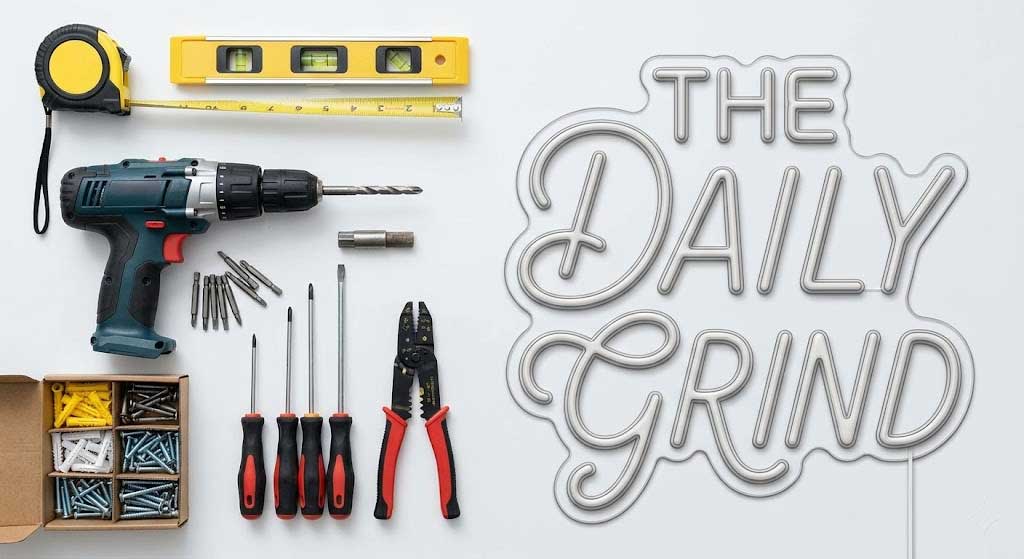
1. Before You Start Y SIGNS LED neon signs can be installed in 5-15 minutes — no electrician needed. Three things to confirm beforehand: Related products: LED Neon “Welcome” Sign for Storefront Window Glass, LED Neon Cupcake Sign – Wall, Welcome Neon Sign – For Home Business Entryway & Front Door. Mounting surface: Check wall material (concrete, brick, wood, glass) and choose the right method Power access: Ensure an outlet within 5ft (sign comes with 6ft power cord) Clearance: Minimum ceiling height of 7ft to avoid bumping into the sign 2. Three Installation Methods Method 1: Screw Mount (Recommended) Y SIGNS includes stainless steel screws and wall anchors: Mark 4 mounting points with a level Drill 6mm holes Insert wall anchors Screw through the backplate mounting holes Best for: Bar backdrops, entrance walls, feature walls — most restaurant scenarios. Method 2: 3M Strong Adhesive (Lightweight Only) For signs under 16×12in and 2lbs: Clean surface — must be dry and grease-free...

LED Neon Sign Power Adapter Failure Guide

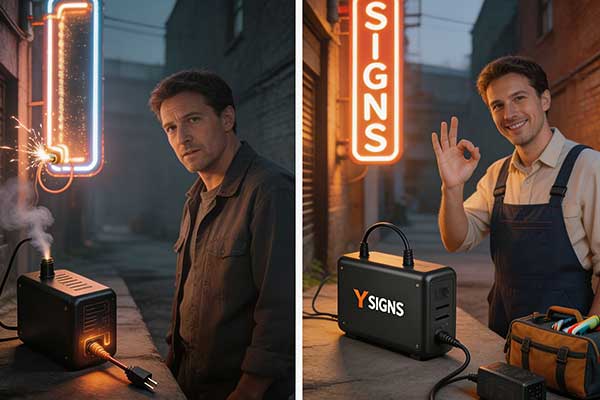
There is one complaint that surfaces more than any other across the custom neon sign industry. It is not dim LEDs, peeling silicone, or delayed shipping. It is power adapter failure. Industry surveys consistently rank power supply burnout as the number one pain point for neon sign buyers. Users report adapters overheating, buzzing, or dying within weeks of installation, leaving a beautiful sign dark and useless. This single component the black box between your wall outlet and your sign is responsible for more returns and more frustration than every other failure mode combined. The LED neon sign boom of the last five years has flooded the market with sellers competing on price. To hit rock-bottom price points, most cut corners where customers cannot see it: inside the power adapter. This article explains exactly why cheap adapters fail, what separates a reliable power supply from a hazard, and how Y SIGNS engineered a solution that eliminates the industry’s biggest headache. Why...

Custom Neon Sign Warranty & Guarantee Guide

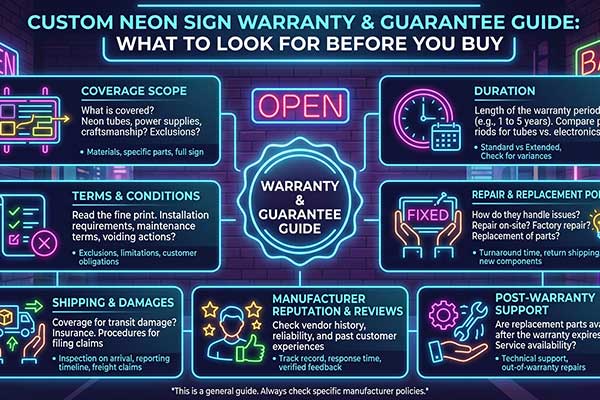
Before you buy a custom neon sign, understand the warranty. Compare industry standards, learn what protections matter, and avoid sellers that leave you unprotected.

How to Install Your Neon Sign?The Ultimate DIY Guide for 2026

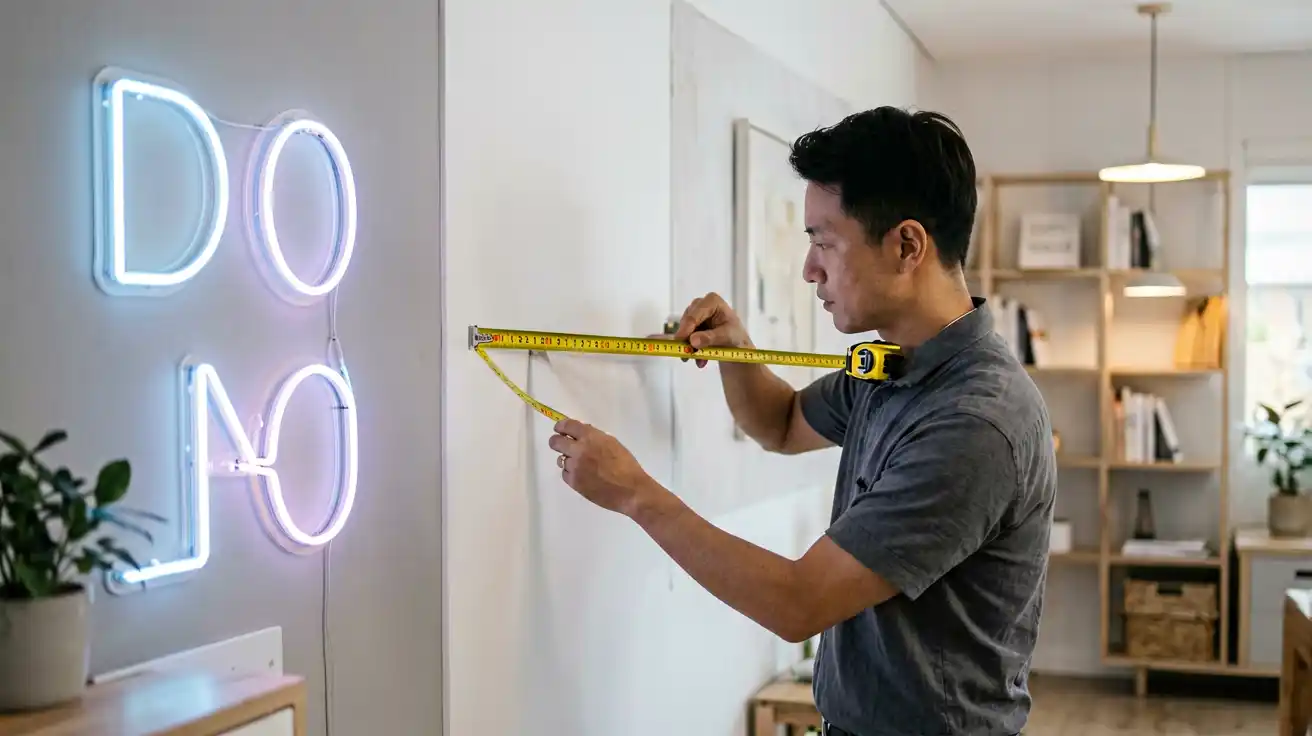
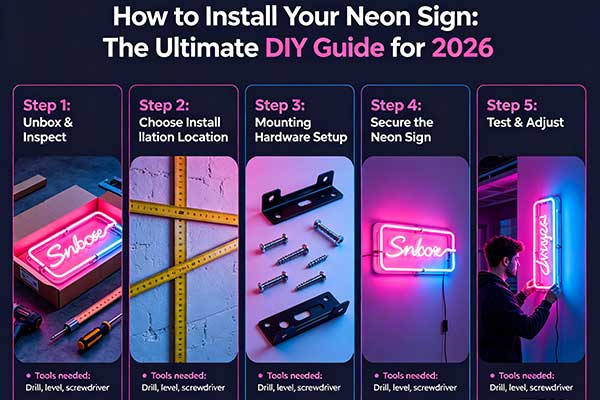
Bringing a neon glow into your home or business is one of the most transformative interior design moves you can make. However, the excitement of unboxing your custom piece often turns into “installation anxiety.” How do you ensure it is level? Will it fall off the wall? How do you hide those pesky wires? Related products: LED Neon “Welcome” Sign for Storefront Window Glass, LED Neon Cupcake Sign – Wall, Welcome Neon Sign – For Home Business Entryway & Front Door. In 2026, the DIY installation of LED neon signs has become significantly more accessible due to lightweight acrylic backings and advanced mounting hardware. For 95% of home projects, wall-mounting with stainless steel standoffs is the gold standard for a professional, “floating” look. While hanging via chains is faster, a fixed wall mount provides superior stability, reduces the risk of accidental breakage by 40%, and allows for cleaner cable management. The best part is that you do not have to...

Are LED Neon Signs Safe? Fire Safety, Materials & Certifications Explained

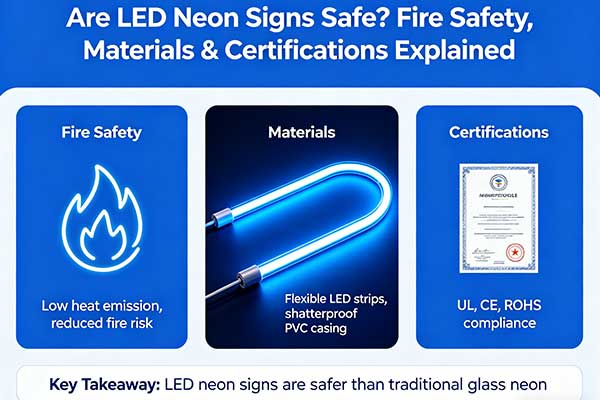
If you’re shopping for a custom neon sign, safety is probably on your mind. Can LED neon signs catch fire? Are they safe for a nursery? What certifications should you look for? These are smart questions — and the answers are reassuring. This guide covers how LED neon works, real fire risk, silicone vs PVC materials, the certifications that matter, and what to check before hanging a sign in a baby’s room. How LED Neon Signs Work (And Why They’re Different) Traditional glass neon signs use high-voltage electricity (3,000–15,000 volts) to excite gas inside fragile glass tubes. They run hot, can shatter, and require professional installation. LED neon signs — like every sign Y SIGNS produces — use a different technology: low-voltage LED strips (typically 12V or 24V DC) embedded in flexible silicone tubing, an acrylic backing board for support, and a standard wall-plug adapter (like your laptop charger). So: no high voltage, no glass, no gas, no heat. The...