LED Neon Sign Power Adapter Failure Guide

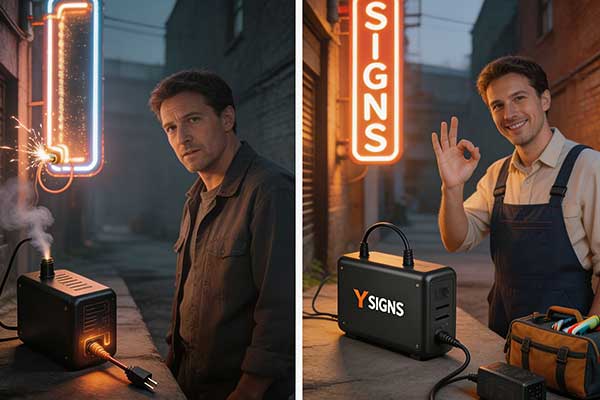
There is one complaint that surfaces more than any other across the custom neon sign industry. It is not dim LEDs, peeling silicone, or delayed shipping. It is power adapter failure. Industry surveys consistently rank power supply burnout as the number one pain point for neon sign buyers. Users report adapters overheating, buzzing, or dying within weeks of installation, leaving a beautiful sign dark and useless. This single component the black box between your wall outlet and your sign is responsible for more returns and more frustration than every other failure mode combined. The LED neon sign boom of the last five years has flooded the market with sellers competing on price. To hit rock-bottom price points, most cut corners where customers cannot see it: inside the power adapter. This article explains exactly why cheap adapters fail, what separates a reliable power supply from a hazard, and how Y SIGNS engineered a solution that eliminates the industry’s biggest headache. Why...
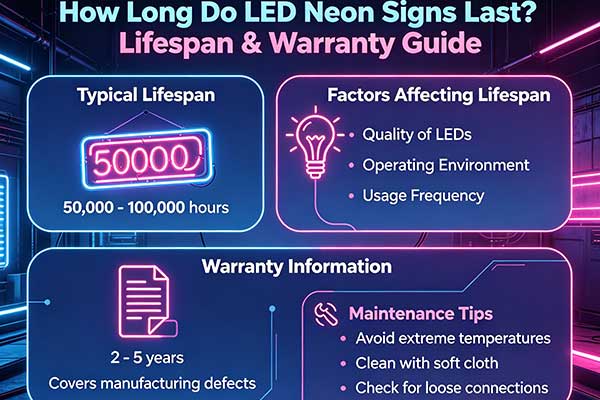
Custom Neon Sign Warranty & Guarantee Guide

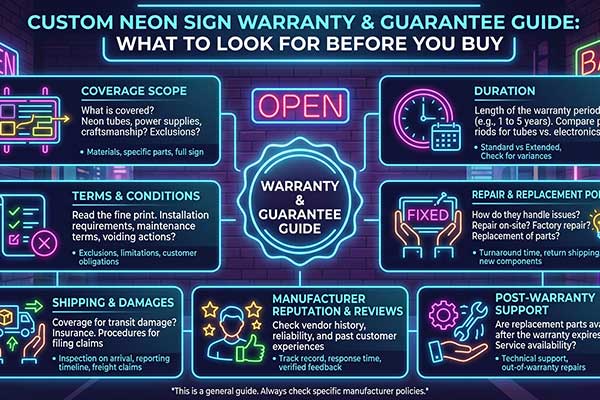
Before you buy a custom neon sign, understand the warranty. Compare industry standards, learn what protections matter, and avoid sellers that leave you unprotected.

How to Install Your Neon Sign?The Ultimate DIY Guide for 2026

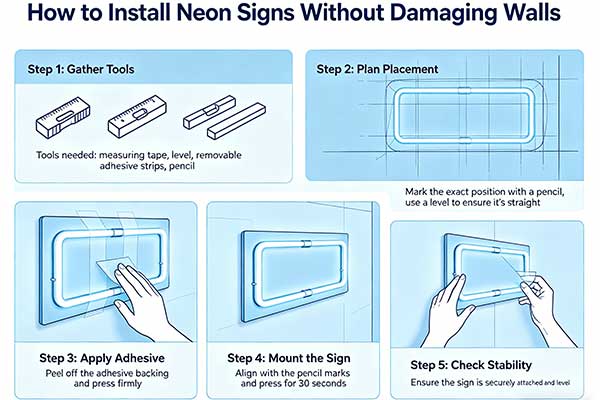
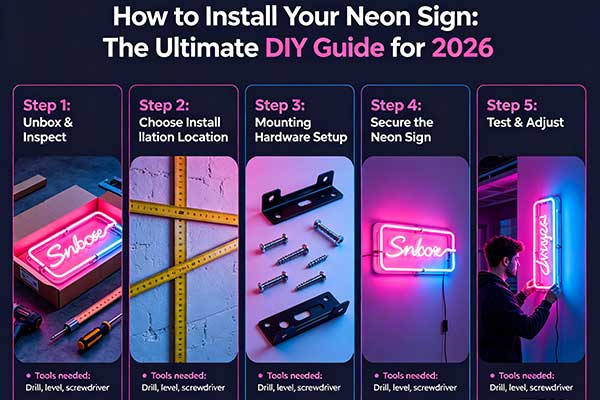
Bringing a neon glow into your home or business is one of the most transformative interior design moves you can make. However, the excitement of unboxing your custom piece often turns into “installation anxiety.” How do you ensure it’s level? Will it fall off the wall? How do you hide those pesky wires? In 2026, the DIY installation of LED neon signs has become significantly more accessible due to lightweight acrylic backings and advanced mounting hardware. For 95% of home projects, wall-mounting with stainless steel standoffs is the gold standard for a professional, “floating” look. While hanging via chains is faster, a fixed wall mount provides superior stability, reduces the risk of accidental breakage by 40%, and allows for cleaner cable management. 1. Pre-Installation Checklist: Don’t Drill Yet! Before you pick up the power drill, you need to conduct a “bench test.” The Power Test: Plug your sign in as soon as it arrives. Check for any flickering or dead...

Custom Neon Signs USA: The 2026 Buyer’s Guide

Everything US buyers need to know about ordering custom neon signs — shipping times from Hong Kong, US plug compatibility, customs duties (spoiler: none), installation tips, and what to expect from delivery.

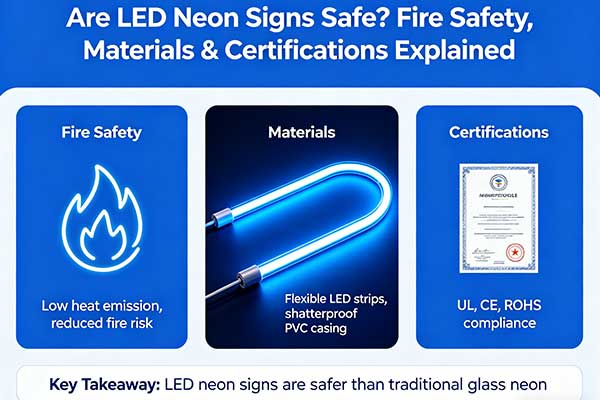
Are LED Neon Signs Safe? Fire Safety, Materials & Certifications Explained

If you’re shopping for a custom neon sign, safety is probably on your mind. Can LED neon signs catch fire? Are they safe for a nursery? What certifications should you look for? These are smart questions — and the answers are reassuring. In this guide, we’ll cover everything you need to know about LED neon sign safety, from materials and heat output to the certifications that separate quality manufacturers from the rest. How LED Neon Signs Work (And Why They’re Different) Traditional glass neon signs use high-voltage electricity (3,000–15,000 volts) to excite gas inside fragile glass tubes. They run hot, can shatter, and require professional installation. LED neon signs — like every sign Y SIGNS produces — use a completely different technology: low-voltage LED strips (typically 12V or 24V DC) embedded in flexible silicone tubing, an acrylic backing board for structural support, and a standard wall plug power adapter (like your laptop charger). This means: no high voltage, no glass,...